Thyroid symptoms in women in the UAE often trigger TSH, free T4, and free T3 testing, priced at AED 80 to 260 across local labs. Results usually return within 24 hours, and home collection is available through major UAE hospital networks.
- Primary test: Thyroid panel with TSH, free T4, and free T3
- UAE price range: AED 80 to 260
- Turnaround time: Same day to 24 hours in many UAE labs
- Fasting required: No for a standard thyroid panel
- Add-on antibodies: TPO and TgAb often add AED 60 to 180
- Home collection: Available through Aster, Medcare, Mediclinic, and NMC networks
Why thyroid symptoms in women are often missed
Thyroid problems in women rarely start with one dramatic sign. They build slowly. Energy drops. Hair sheds more than usual. Skin gets dry. Weight shifts without a clear food or exercise change. Periods become heavier, lighter, later, or less predictable. Sleep feels wrong even when the number of hours looks fine.
That slow build is why many women write symptoms off as stress, iron deficiency, new motherhood, peri-menopause, or a demanding work schedule. In reality, thyroid disease changes how the body handles energy, temperature, heart rate, bowel function, skin turnover, mood, and menstrual cycles. When several of those changes happen together, the thyroid moves to the top of the list.
The two broad patterns are different. Underactive thyroid patterns usually bring fatigue, cold intolerance, constipation, slowed thinking, and weight gain. Overactive thyroid symptoms usually show up as palpitations, heat intolerance, shakiness, frequent bowel motions, sleep disruption, anxiety, and weight loss despite a stable appetite.
Autoimmune disease matters here as well. Hashimoto’s thyroiditis signs can start before a woman has a clear diagnosis on paper, especially if TSH has started to drift upward and symptoms have been dismissed as a general hormone issue. That is why symptom pattern matters as much as a single complaint.
Which thyroid symptoms in women point to blood testing
The strongest reason to test is a symptom cluster, not a single off day. Testing makes sense when fatigue sits alongside hair thinning, dry skin, constipation, menstrual disruption, low mood, and an unexplained weight increase. It also makes sense when anxiety, a racing heart, sweating, fine tremor, and unexplained weight loss start appearing together.
Women often present with symptoms that overlap with other common UAE health issues. Iron deficiency, vitamin D deficiency, insulin resistance, and thyroid dysfunction can all produce tiredness and brain fog. That overlap is one reason thyroid testing is frequently ordered alongside broader metabolic checks. If you have already looked at diabetes trends in the Emirates, the overlap is familiar: blood sugar changes and thyroid changes can both alter weight, energy, and menstrual health.
Blood testing also moves up the list when there is a family history of thyroid disease, a visible neck fullness, prior thyroid treatment, infertility workup, repeated miscarriage history, or postpartum symptom change that has not settled. In those cases, a symptom-based wait-and-see approach wastes time because the next step is straightforward and low friction.
The first-line test is usually a full thyroid panel at UAE lab prices. It checks thyroid-stimulating hormone, free T4, and free T3 together. That gives a better picture than ordering TSH alone when symptoms are already established.
What a thyroid panel in the UAE actually measures
A thyroid panel answers a simple question: is the thyroid running low, running high, or being pushed by another signal? TSH reflects the pituitary message to the thyroid. Free T4 shows the main circulating thyroid hormone available to tissues. Free T3 shows the active hormone level that often shifts most in hyperthyroid states.
Many adult UAE lab reports use a TSH reference interval of 0.4 to 4.0 mIU/L. That range is common, but the printed reference interval on the report still rules because analyzers and lab methods differ. MedlinePlus thyroid test guidance explains the role of TSH, T4, and T3 in plain terms, and it matches the basic structure used in UAE outpatient testing.
For suspected autoimmune disease, clinicians often add thyroid peroxidase antibodies and thyroglobulin antibodies. In UAE pricing data used for patient comparison, those thyroid antibodies usually add AED 60 to 180 when Hashimoto screening is needed. That add-on matters because a woman with borderline or rising TSH and positive antibodies often needs closer follow-up than someone with the same TSH and negative antibodies.
The panel itself does not require fasting. Most labs report within the same day or within 24 hours. That makes it practical for women who want a quick answer before a follow-up visit, fertility review, or endocrinology appointment.
How thyroid testing and follow-up work in UAE clinics
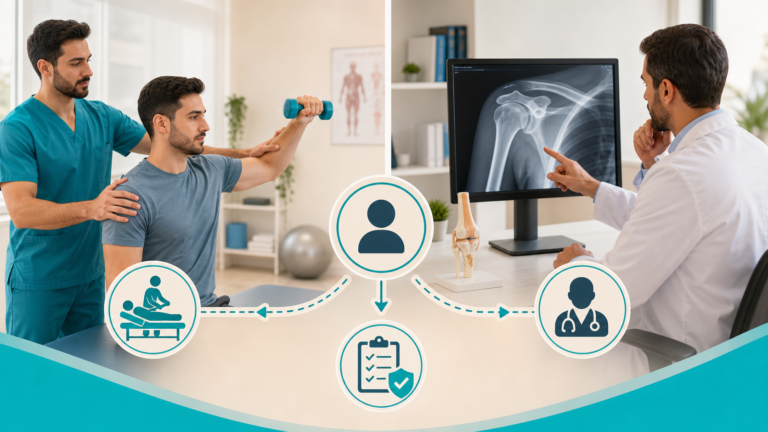
The UAE care pathway is direct. A woman with thyroid symptoms usually starts with a primary care doctor, gynecologist, internist, or directly with endocrinology care in the UAE. The first blood draw is often done the same day because thyroid panels are routine across private hospital labs and stand-alone diagnostic centers.
Price matters because access is broad. Across UAE labs, TSH, free T4, and free T3 commonly fall in the AED 80 to 260 range. If the history points toward autoimmune thyroid disease, TPO and TgAb usually raise the bill by AED 60 to 180. Insurance plans sometimes absorb part of that cost when the test is linked to a consultation and the lab sits inside the approved network, but many women still compare direct-pay prices first.
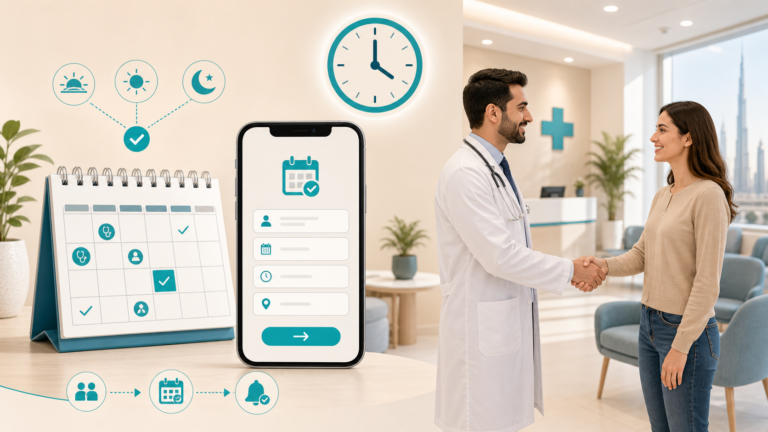
Home collection has become standard across large networks. Aster advertises lab tests at home in Dubai, Medcare runs a dedicated Lab at Home service, Mediclinic offers home blood collection through its home care channels, and NMC lists home care with lab support across several emirates. For women balancing work, children, or limited mobility, that changes the threshold for getting tested. The barrier is no longer travel time.
The local epidemiology also supports early testing. A 2024 Dubai primary care study indexed at NCBI found hypothyroidism in 2.1 percent of adults who underwent thyroid function testing, with women accounting for 81.5 percent of identified cases and the highest prevalence in adults aged 35 to 44 years. That age pattern fits what many UAE clinicians already see in practice: women in their mid-thirties and forties often reach testing after months of symptoms that were first blamed on stress, weight, or changing reproductive hormones.
What abnormal thyroid results can point to
A high TSH with a low free T4 usually points toward hypothyroidism. That pattern fits the woman who feels slowed down, cold, constipated, foggy, and heavier despite no major lifestyle change. If thyroid antibodies are positive as well, the diagnosis often lands on autoimmune thyroid disease rather than a short-term fluctuation.
A low TSH with a high free T4 or high free T3 points toward hyperthyroidism. That is the pattern behind palpitations, sweating, tremor, anxiety, and unplanned weight loss. In women, that pattern can be missed at first because it gets labeled as panic, burnout, or sleep deprivation. The lab result cuts through that confusion quickly.
Borderline results need context, not guesswork. A mildly raised TSH with normal free T4 can sit in the subclinical range. Positive antibodies, symptoms, and repeat results matter more than one isolated number. The NIH overview of Hashimoto’s disease is useful here because it explains why antibody-positive disease can show up before the thyroid fully underperforms.
The practical point is simple. Symptoms tell you when to test. The panel tells you which direction the thyroid is moving. Follow-up then becomes targeted instead of vague, whether the next step is repeat labs, antibody testing, ultrasound, or treatment.
.hf-faq { border: 1px solid #e2eaf4; border-radius: 8px; margin: 0 0 10px 0; background: #fff; overflow: hidden; }
.hf-faq summary { list-style: none; cursor: pointer; padding: 16px 50px 16px 20px; font-weight: 600; font-size: 16px; color: #0a4d4f; position: relative; outline: none; user-select: none; }
.hf-faq summary::-webkit-details-marker { display: none; }
.hf-faq summary::after { content: ‘+’; position: absolute; right: 20px; top: 50%; transform: translateY(-50%); font-size: 22px; font-weight: 400; color: #00c6cb; transition: transform 0.2s ease; }
.hf-faq[open] summary::after { content: ‘−’; }
.hf-faq summary:hover { background: #f7fafb; }
.hf-faq[open] summary { background: #f0fafa; border-bottom: 1px solid #e2eaf4; }
.hf-faq-answer { padding: 16px 20px; color: #4a5568; font-size: 15px; line-height: 1.6; }
.hf-faq-answer p { margin: 0; }
Frequently asked questions
What are the most common thyroid symptoms in women in the UAE?
The most common symptoms are persistent fatigue, feeling cold, constipation, dry skin, hair thinning, unexplained weight change, palpitations, anxiety, and menstrual disruption. When several symptoms cluster together, a thyroid panel with TSH, free T4, and free T3 gives a clear starting point.
How much does a thyroid blood test cost in the UAE?
A thyroid panel that includes TSH, free T4, and free T3 usually costs AED 80 to 260 across UAE labs. If autoimmune thyroid disease screening is needed, thyroid antibodies such as TPO and TgAb often add AED 60 to 180.
Do women need to fast before a thyroid panel test?
No. Fasting is not usually required for a standard thyroid panel. Most women can book blood collection at any time of day, though the same morning timing is useful for repeat testing because it keeps comparisons cleaner across follow-up reports.
What TSH range is considered normal on many UAE lab reports?
Many UAE adult lab reports use a TSH reference interval of 0.4 to 4.0 mIU/L. The exact range still depends on the lab, age, pregnancy status, and the assay in use, so the reference interval printed on your own report comes first.
When do thyroid antibodies matter in women?
Thyroid antibodies matter when symptoms fit hypothyroidism, TSH is high, or a clinician suspects Hashimoto’s thyroiditis. TPO and TgAb testing helps separate autoimmune thyroid disease from temporary or non-autoimmune changes and often guides longer follow-up.
Compare thyroid panel prices across UAE labs side by side and book the option that fits your location, turnaround time, and budget. Compare thyroid panel prices across UAE labs