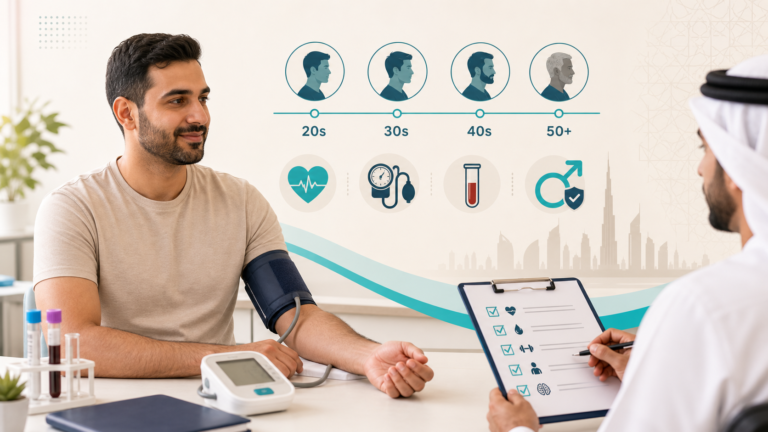
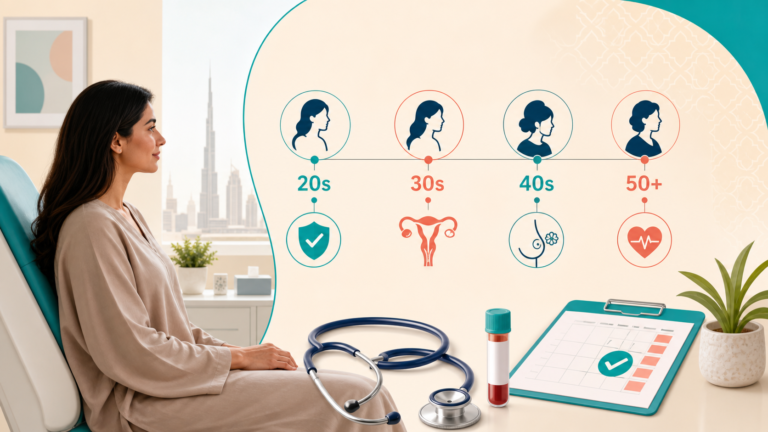
UAE premarital genetic testing is mandatory for Emirati couples planning to marry in 2026. The national programme screens about 570 genes linked to more than 840 conditions. Abu Dhabi guidance says genetic results can take up to 14 days.
- Who it applies to: Genetic testing is mandatory for Emirati couples planning to marry.
- Standard screening: Premarital medical screening remains required before marriage certificate issuance in the UAE.
- Genetic panel: About 570 genes linked to more than 840 medical conditions.
- Result timing: Abu Dhabi genetic results can take up to 14 days; EHS lists 17 working days for UAE citizens.
- Main purpose: Identify shared inherited risks before family planning decisions.
What changed for Emirati couples in 2026
Premarital screening has existed in the UAE for years, but the genetic testing layer is now a core part of the process for Emirati couples. The Ministry of Health and Prevention announced that mandatory genetic testing would be introduced for all Emiratis planning to marry nationwide from early January 2025. That rule continues to matter in 2026 because couples now need to plan the appointment timeline around genetic result processing, not only the basic blood and infectious disease checks.
The national announcement states that the test covers 570 genes associated with more than 840 medical conditions. The aim is practical: detect shared carrier risks before marriage, give couples access to genetic counselling, and help families understand reproductive options before pregnancy planning. You can read the MoHAP announcement on the mandatory genetic testing programme for Emiratis.
This does not mean every couple in the UAE follows the same exact genetic pathway. The standard premarital medical examination is required for couples before marriage certificate issuance, while the newer genetic testing mandate applies to Emirati citizens planning to marry. Non-Emirati residents still need to follow the premarital screening rules set by the relevant emirate and marriage authority.
What the premarital screening checks before marriage
Premarital screening is designed to identify health risks that affect the couple or future children. In routine screening, the focus includes infectious diseases, blood group compatibility, and inherited blood disorders. Genetic testing adds a wider inherited-disease risk assessment by looking for carrier status in both partners.
For Emirati couples, the genetic component is the section that needs the most planning time. The test does not diagnose a future child. It checks whether both partners carry variants in the same disease pathway and whether that pairing creates a higher inherited-risk pattern. When the result shows a shared risk, the next step is counselling with a qualified medical team.
Couples preparing for pregnancy after marriage also need to think beyond the certificate. A premarital result can guide conversations with obstetrics, reproductive medicine, and family medicine teams. HealthFinder’s gynecologists listed on HealthFinder can help couples understand what follow-up care usually looks like after a screening result, especially when pregnancy planning is expected soon after marriage.
How long the UAE genetic screening result takes
Timing is the part couples get wrong most often. A basic premarital medical screen can be faster, but genetic testing takes longer because it involves sequencing, interpretation, reporting, and counselling readiness. Abu Dhabi’s public health guidance says couples should consider that premarital screening genetic test results can take up to 14 days.
Emirates Health Services lists a separate service timeline for premarital screening and counselling: 5 working days for residents, visitors, and GCC citizens, and 17 working days for UAE citizens when genetic testing is included. The EHS service page is useful for couples using federal service centres because it gives the clearest distinction between standard screening and UAE citizen genetic testing timelines. See the EHS service listing for premarital screening and counselling.
In Abu Dhabi, the genetic testing pathway started earlier than the national mandate. DoH integrated genetic testing into the emirate’s premarital screening programme and stated that the screening tests autosomal recessive genes linked to 840-plus genetic disorders. DoH also advises couples to account for result timing before completing marriage formalities. The Abu Dhabi announcement is available on the DoH premarital genetic testing page.
Where couples book premarital screening in Dubai
Dubai couples should start with the official Dubai Health premarital screening service page or a licensed healthcare facility that provides the approved service. Dubai Health describes premarital screening as required before marriage and frames it around checking inherited and infectious disease risks before the couple proceeds with marriage documentation. Its service page is the best first stop for Dubai-specific booking details: Dubai Health premarital screening.
Booking early matters more for Emirati couples because genetic testing extends the timeline. If a marriage date, court appointment, or family ceremony is already fixed, the genetic result window should be counted backward from that date. Couples should not assume that a same-week appointment will leave enough time for genetic reporting.
Dubai residents comparing clinics can use the Dubai healthcare directory to identify nearby providers and then confirm directly whether the provider handles premarital screening, genetic sampling, counselling, and report issuance. The public service page should remain the source of truth for official requirements, while the directory helps with practical clinic discovery.
Abu Dhabi genetic testing pathway for couples
Abu Dhabi has one of the clearest public pathways for premarital genetic screening. The Abu Dhabi Public Health Centre says genetic testing became an essential part of premarital screening for Emiratis planning to marry in the emirate from October 1, 2024. The same guidance tells couples to account for genetic result issuance, which can take up to 14 days.
The Abu Dhabi model matters because it shows what couples should expect after a result. Screening is not only a lab transaction. It includes information, consent, confidentiality, report issuance, and counselling when a shared genetic risk is found. That counselling step is where couples learn what the result means for family planning rather than trying to interpret gene names alone.
Couples in the capital can use the Abu Dhabi healthcare directory for provider research, then verify appointment availability with the approved centre. When one partner lives in another emirate, the couple should confirm where the final marriage documentation will be processed because the screening report must fit the authority handling the marriage formalities.
What a shared genetic risk result means
A shared genetic risk result does not cancel a marriage. It means both partners carry a variant pattern that raises the chance of passing a condition to future children. The next step is structured counselling, where the couple receives an explanation of the condition, inheritance pattern, reproductive options, and the limits of the screening panel.
The test is broad, but it is not a guarantee that every possible genetic disorder is covered. Recent Abu Dhabi standards make this explicit: couples need to be informed that premarital genetic screening does not cover every genetic disorder or disease. That point is essential because a low-risk result is reassuring, but it is not the same as a lifetime genetic guarantee.
For couples planning pregnancy soon after marriage, the result can guide early obstetric planning. It can also support conversations about carrier testing, prenatal screening, reproductive medicine, and newborn screening. HealthFinder’s article on pregnancy thyroid care in the UAE is a separate example of why pre-pregnancy planning matters: conditions identified before or early in pregnancy are easier to manage than risks discovered late.
Frequently asked questions
Is genetic testing mandatory before marriage in the UAE?
Genetic testing is mandatory for Emirati couples planning to marry. Premarital medical screening is also required before marriage certificate issuance in the UAE. Non-Emirati residents should follow the screening pathway listed by the emirate and marriage authority handling their case.
How many genes are checked in UAE premarital genetic testing?
MoHAP states that the national premarital genetic test covers about 570 genes associated with more than 840 medical conditions. DoH Abu Dhabi describes a similar panel focused on autosomal recessive disease risks relevant to family planning.
How long do UAE premarital genetic test results take?
Abu Dhabi guidance says couples should allow up to 14 days for premarital genetic test results. EHS lists 17 working days for UAE citizens when genetic testing is included, compared with 5 working days for residents, visitors, and GCC citizens.
Does a positive carrier result stop a couple from marrying?
A shared carrier result does not automatically stop a marriage. It triggers counselling so the couple understands inheritance risk, possible outcomes for future children, and available reproductive planning options before making family decisions.
Can Dubai couples book premarital screening at any clinic?
Couples should use an approved premarital screening service or licensed provider that can issue the correct report for marriage formalities. Dubai Health’s service page is the official starting point for Dubai-specific requirements and booking direction.
Plan the screening appointment before fixing final ceremony dates, especially when genetic testing is required. Start with the official emirate service page, then use HealthFinder to compare nearby women’s health and family medicine providers. Browse gynecology clinics in the UAE.