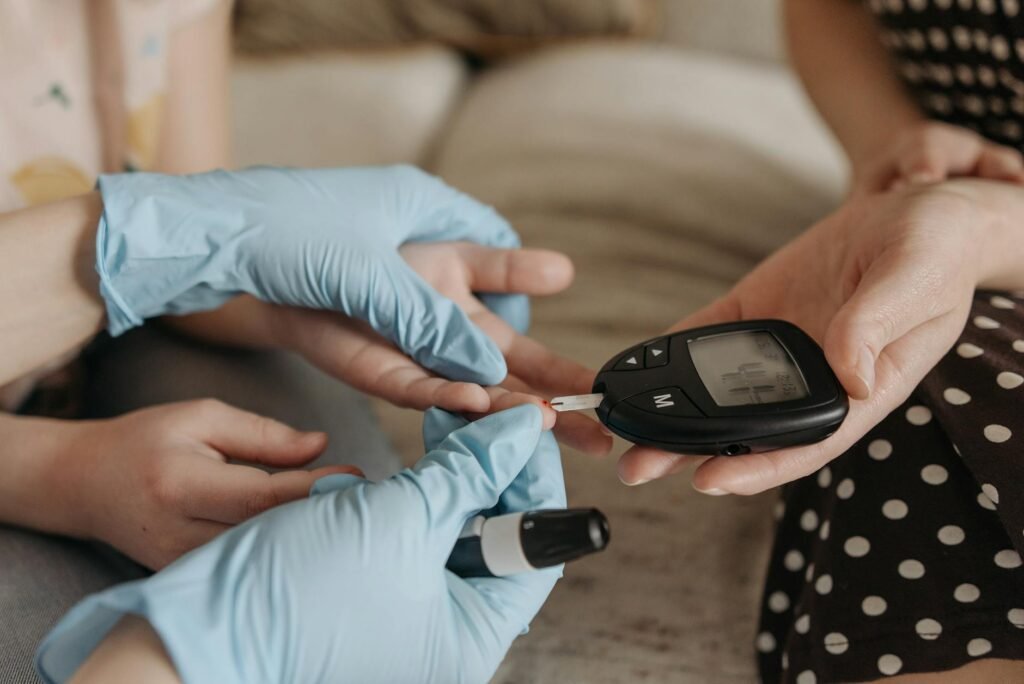
HOMA-IR combines fasting insulin and fasting glucose to estimate insulin resistance. UAE labs usually ask for 8 to 12 hours of fasting, bundle the test for AED 130 to 280, and release results within 24 to 48 hours after a morning blood draw.
- Test formula: Fasting insulin mIU/L x fasting glucose mmol/L / 22.5
- Common UAE range guide: Below 1.0 healthy, 1.0 to 2.0 borderline, above 2.0 suggestive
- Fasting rule: 8 to 12 hours, water allowed
- Turnaround time: 24 to 48 hours in most major-city labs
- Typical setting: Private diagnostic lab, hospital outpatient lab, or home collection
- Best companion markers: HbA1c, triglycerides, ALT, waist size
What HOMA-IR measures in a fasting blood test
HOMA-IR is not a separate tube of blood. It is a calculation built from two numbers taken at the same visit: fasting insulin and fasting glucose. If you want the live market view before booking, compare HOMA-IR test prices in UAE labs first, because some providers sell the pair as a bundled metabolic screen while others price each marker separately.
The formula used in UAE reports is fasting insulin in mIU/L multiplied by fasting glucose in mmol/L, divided by 22.5. That unit detail matters. Many international articles quote the 405 constant because they are using glucose in mg/dL. UAE laboratory reports usually show glucose in mmol/L, so the 22.5 formula is the one that fits the numbers printed on the report.
What the calculation tries to answer is simple: how much insulin is the body using to hold fasting glucose in place? MedlinePlus explains that an insulin blood test measures the amount of insulin in a sample. When insulin is already high but fasting glucose still looks normal, the pancreas is working harder than the glucose result alone suggests. HOMA-IR turns that hidden effort into one screening number.
That is why HOMA-IR is useful early, not late. Once fasting glucose and HbA1c are already in the diabetic range, the insulin-resistance question is less hidden. The real value appears when someone has normal or borderline glucose, central weight gain, higher triglycerides, family history, PCOS, or fatty liver, and wants to know whether insulin strain is already building underneath those findings.
What HOMA-IR numbers usually mean in UAE labs
Across UAE private-lab test pages and metabolic bundles, the common shorthand is straightforward: below 1.0 is read as healthy insulin sensitivity, 1.0 to 2.0 is borderline, and above 2.0 is suggestive of insulin resistance. That local convention is the one many patients see on booking pages, screening packages, and doctor-facing summary reports. These thresholds are not universal. HOMA-IR cutoffs vary by population, assay, insulin reference range, and clinical study, and no single number has been formally adopted as a regulatory standard across the UAE or internationally. The reference band printed on the specific lab report still takes priority over any quoted convention.
The reason the wording matters is that HOMA-IR is a screening index, not a stand-alone disease label. A value above 2.0 fits the insulin resistance pathway, but the full reading still depends on the actual insulin level, the fasting glucose value, waist size, triglycerides, liver markers, blood pressure, and HbA1c. One number starts the metabolic story. It does not finish it.
Two examples make that easier to read. If fasting insulin is 12 mIU/L and fasting glucose is 5.2 mmol/L, HOMA-IR is 2.77. That sits well above the common UAE screening threshold and points toward reduced insulin sensitivity even though fasting glucose alone still looks acceptable. If fasting insulin is 4.5 mIU/L and fasting glucose is 4.8 mmol/L, HOMA-IR is 0.96, which fits the healthy range used in many local reports.
Numbers near the middle deserve attention rather than dismissal. A result around 1.6 does not say everything is fine. It says the body is no longer in the low-effort range. In adults who also carry abdominal weight, have a strong family history of type 2 diabetes, or show triglycerides climbing year after year, a borderline HOMA-IR often turns out to be the first visible shift.
Which HOMA-IR patterns fit insulin resistance, prediabetes, and PCOS
HOMA-IR is most informative when it is read beside the pattern around it. A high value with normal fasting glucose often points to early insulin resistance. A high value with rising HbA1c strengthens the link to prediabetes changes in the UAE. A high value with irregular periods, acne, central weight gain, or acanthosis nigricans raises the probability of PCOS-related insulin issues.
This is where many adults make the wrong call on their own report. They look at the glucose line, see it still inside range, and stop reading. The better question is whether the body had to overproduce insulin to keep that glucose there. That is the same logic covered in insulin resistance basics for UAE adults, and it is why fasting insulin adds useful information that a standard sugar panel can miss.
Prediabetes and PCOS do not use HOMA-IR in the same way, even when the number is similar. In prediabetes, the concern is movement toward persistent glucose elevation and wider metabolic syndrome. In PCOS, the concern is that high insulin is pushing ovarian hormone imbalance, cycle disruption, and weight gain even before diabetes markers cross a formal threshold. The same score can point to different next steps because the clinical setting is different.
The number also works best when repeated over time under similar conditions. A properly fasted morning sample compared with another properly fasted morning sample months later tells you whether insulin demand is easing or rising. If the score moves the wrong way despite weight-loss effort or treatment, that usually leads to a broader review through endocrinology clinics in the UAE, especially when thyroid disease, fatty liver, or medication effects are also part of the picture.
How HOMA-IR testing works across UAE labs
In UAE practice, HOMA-IR is usually booked as fasting insulin plus fasting glucose after 8 to 12 hours without food, ideally in the morning. Across Dubai, Abu Dhabi, and Sharjah, the usual bundled cash range is AED 130 to AED 280. Private market listings back that range: fasting insulin often falls near AED 95 to 150, fasting glucose adds about AED 30 to 40, and many labs release results in 24 to 48 hours.
The administrative side changes by emirate. In Dubai, laboratory licensing and provider oversight sit with the Dubai Health Authority. In Abu Dhabi, the regulator is the Department of Health. In Sharjah, Ajman, Ras Al Khaimah, Fujairah, and Umm Al Quwain, the provider framework is handled under MOHAP. For patients, that split matters mainly for licensing, insurer contracts, and branch network rules.
Home collection is common in the big-city private market and helps people finish fasting tests before work. Insurance handling is less uniform. Some plans cover the panel when it is ordered for obesity, PCOS, prediabetes, or diabetes-risk review, while others leave fasting insulin as a cash add-on. Before booking, check that the quote includes both fasting insulin and glucose and whether the report will show the HOMA-IR calculation itself.
.hf-faq { border: 1px solid #e2eaf4; border-radius: 8px; margin: 0 0 10px 0; background: #fff; overflow: hidden; }
.hf-faq summary { list-style: none; cursor: pointer; padding: 16px 50px 16px 20px; font-weight: 600; font-size: 16px; color: #0a4d4f; position: relative; outline: none; user-select: none; }
.hf-faq summary::-webkit-details-marker { display: none; }
.hf-faq summary::after { content: ‘+’; position: absolute; right: 20px; top: 50%; transform: translateY(-50%); font-size: 22px; font-weight: 400; color: #00c6cb; transition: transform 0.2s ease; }
.hf-faq[open] summary::after { content: ‘−’; }
.hf-faq summary:hover { background: #f7fafb; }
.hf-faq[open] summary { background: #f0fafa; border-bottom: 1px solid #e2eaf4; }
.hf-faq-answer { padding: 16px 20px; color: #4a5568; font-size: 15px; line-height: 1.6; }
.hf-faq-answer p { margin: 0; }
Frequently asked questions
What is a commonly cited HOMA-IR screening range in UAE lab reports?
Many UAE lab reports use a simple screening convention: below 1.0 reads as healthy, 1.0 to 2.0 as borderline, and above 2.0 as suggestive of insulin resistance. These cutoffs are not universally standardized, so the reference range printed on the actual report still takes priority.
How is HOMA-IR calculated from fasting blood tests?
HOMA-IR is calculated by multiplying fasting insulin in mIU/L by fasting glucose in mmol/L, then dividing by 22.5. That is the standard formula used when UAE lab reports show glucose in mmol/L instead of mg/dL.
Do UAE labs require fasting before a HOMA-IR blood test?
Yes. UAE labs generally ask for 8 to 12 hours of fasting, allow water, and prefer a morning blood draw. The calculation loses value if the sample is taken after food, sweetened drinks, heavy late-night meals, or overnight sleep disruption.
How much does HOMA-IR testing cost across Dubai, Abu Dhabi, and Sharjah?
A bundled HOMA-IR workup built from fasting insulin and fasting glucose usually lands between AED 130 and AED 280 in UAE private labs. The exact price changes with home collection fees, branch location, and whether the bundle adds HbA1c or other metabolic markers.
Why is HOMA-IR often checked in women with PCOS?
PCOS often travels with high fasting insulin long before fasting glucose looks abnormal. HOMA-IR gives clinicians a quick way to measure that insulin strain, which helps explain irregular cycles, weight gain around the waist, acanthosis nigricans, and rising prediabetes risk.
Compare HOMA-IR packages across UAE labs side by side, check whether the listed price includes both fasting insulin and glucose, then book a fasting insulin resistance panel.