A Transient Ischemic Attack (TIA), often called a mini-stroke, is a temporary disruption of blood flow to the brain, usually lasting a few minutes. Although symptoms resolve quickly, a TIA is a warning sign of future stroke risk and requires immediate medical evaluation.
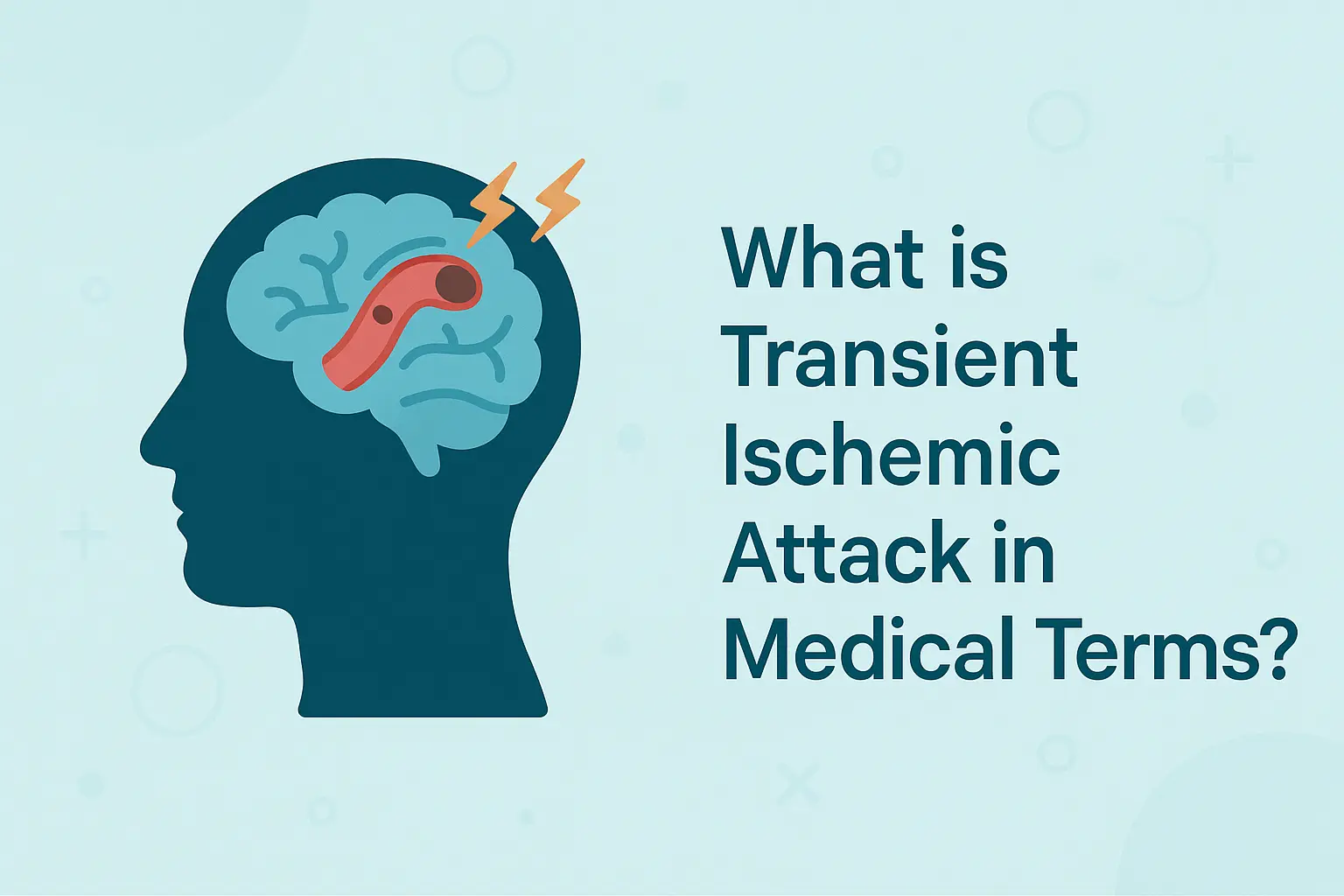
Overview of Transient Ischemic Attack
A TIA shares symptoms with stroke, but it does not cause permanent damage. Recognizing the difference between vertigo, dizziness, and neurological symptoms is critical, as some may mistakenly downplay early signs.
TIAs are common and often occur without warning. While they are rarely life-threatening in isolation, they signal a serious underlying vascular issue.
Symptoms of Transient Ischemic Attack
Typical symptoms of a TIA include sudden onset of:
- Weakness or numbness in the face, arm, or leg, especially on one side
- Slurred speech or difficulty understanding others
- Blurred or double vision in one or both eyes
- Loss of coordination, balance, or dizziness
- Light-headedness, confusion, or fainting
These symptoms usually resolve within 1 hour but should never be ignored.
Transient Ischemic Attack: Causes and Risk Factors
TIAs are often caused by brief arterial blockages, commonly due to:
- Atherosclerosis
- High Blood Pressure
- High Cholesterol
- Diabetes
- Atrial Fibrillation
- Vasculitis
Other risk amplifiers include dehydration, smoking, and long periods of inactivity, especially during travel.
When to See a Doctor for Transient Ischemic Attack?
Immediate medical attention is necessary if you experience:
- Sudden weakness, confusion, or speech difficulties
- Vision changes, fainting, or chest pain
- Any symptoms that resemble a stroke, even if they resolve
Prompt evaluation can prevent a full-blown stroke.
FAQs – About Transient Ischemic Attack
What is the difference between dizziness and vertigo?
Dizziness is a general feeling of imbalance; vertigo is a spinning or motion sensation caused by inner ear or neurological issues.
What is the difference between presyncope and dizziness?
Presyncope involves feeling faint or about to lose consciousness, often linked to blood pressure or cardiovascular causes.
When should I go to the ER for a TIA?
Go immediately if you notice sudden weakness, confusion, slurred speech, or vision loss—even if symptoms disappear quickly.
How can heat and dehydration affect TIA risk?
Dehydration can thicken the blood, increasing stroke risk. This is critical in hot climates like the UAE, or during fasting and long-haul travel.
What are some general ways to reduce risk factors?
Adopt a heart-healthy lifestyle: control blood pressure and cholesterol, manage diabetes, avoid smoking, and stay physically active.
Related Terms
- Ulcerative Colitis
- Gallstones
- Transient Ischemic Attack
- Stroke
- Atrial Fibrillation