Pericarditis is the inflammation of the pericardium, the thin sac-like membrane surrounding the heart. This condition can cause sharp chest pain, often mistaken for a heart attack, and may be accompanied by shortness of breath, fatigue, and fever. While often uncomfortable, pericarditis is usually not life-threatening when diagnosed and treated early.
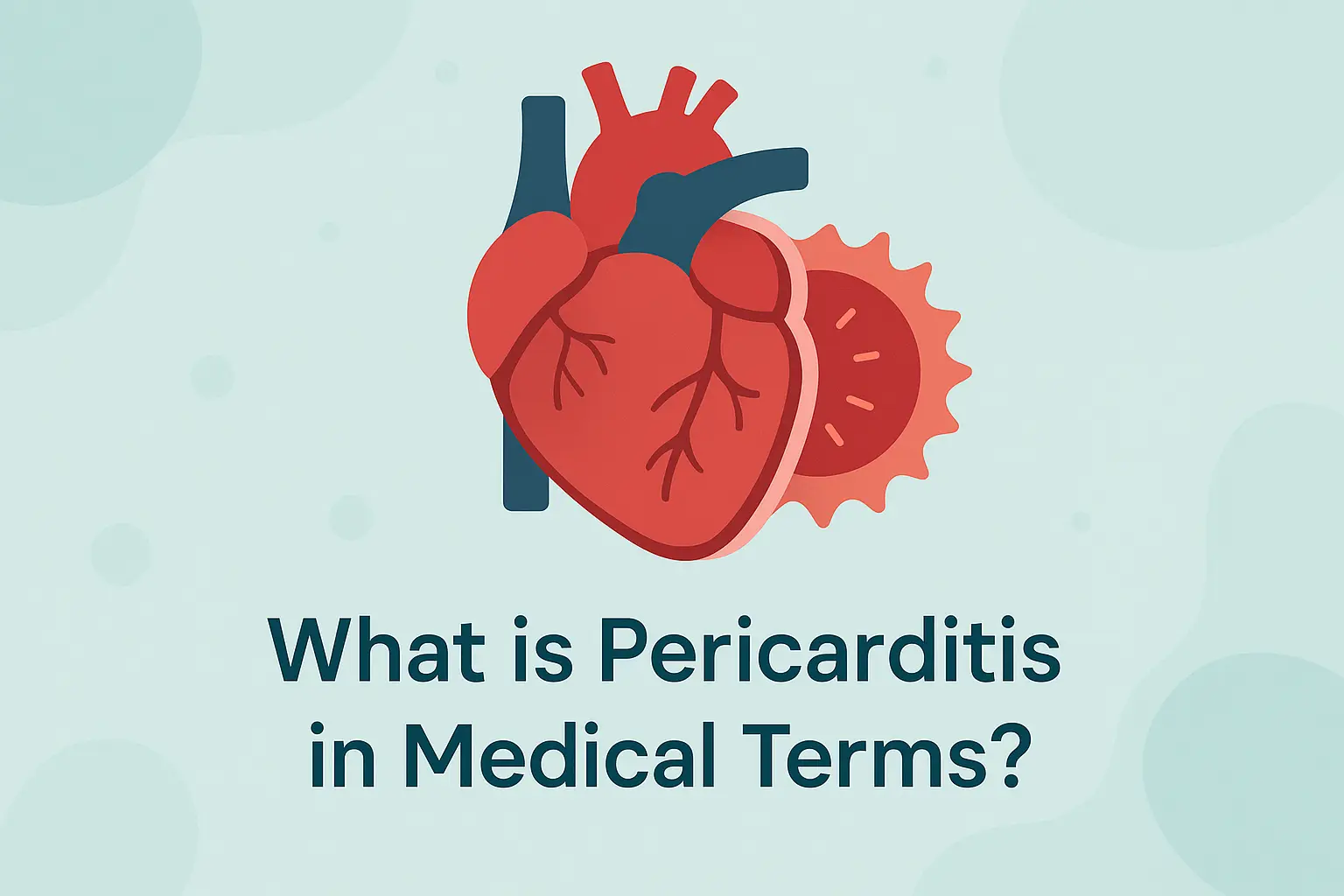
Overview of Pericarditis
Pericarditis is distinct from neurological symptoms like dizziness or vertigo, though it may occur concurrently due to systemic inflammation or fever. The condition is more common than many realize and can result from infections, immune responses, or trauma.
Management varies by type—acute, chronic, or recurrent pericarditis—and by underlying cause. Most cases resolve with medication, but complications like pericardial effusion or cardiac tamponade require urgent care.
Symptoms of Pericarditis
Key symptoms of pericarditis include:
- Sharp, stabbing chest pain, often worsened by lying down or deep breathing
- Shortness of breath or difficulty breathing
- Low-grade fever or chills
- Fatigue or weakness
- Palpitations (irregular or racing heartbeat)
- Swelling in the abdomen or lower extremities
Pain may improve when sitting up or leaning forward—an important diagnostic clue.
Pericarditis: Causes and Risk Factors
Pericarditis may be triggered by multiple factors:
- Viral Infection
- Bacterial Infection
- Autoimmune Disease
- Cardiac Surgery
- Radiation Therapy
- Dehydration or extended immobility during long-haul travel
In some cases, the cause is idiopathic (unknown), particularly in viral pericarditis.
When to See a Doctor for Pericarditis?
Seek medical advice if you experience:
- Persistent or worsening chest pain
- Shortness of breath, fainting, or confusion
- Palpitations or symptoms following a recent infection or surgery
Emergency attention is crucial if symptoms suggest pericardial effusion or complications.
FAQs – About Pericarditis
What is the difference between dizziness and vertigo?
Dizziness refers to a general feeling of imbalance or unsteadiness, while vertigo is the specific sensation that the environment is spinning.
What is presyncope?
Presyncope involves feeling faint or light-headed, often due to cardiovascular causes, and is distinct from general dizziness.
When should I go to the ER for pericarditis?
Go to the ER if you experience severe chest pain, fainting, or confusion—these may indicate serious cardiac involvement.
How can heat and dehydration affect pericarditis?
In hot climates like the UAE, dehydration can worsen inflammation and increase cardiovascular strain, especially during fasting or long-haul travel.
What can I do to reduce my risk of pericarditis?
Stay hydrated, avoid infection, and manage autoimmune conditions. Routine follow-up after heart surgery also reduces complications.
Related Terms
- Ulcerative Colitis
- Gallstones
- Pericarditis
- Cardiac Tamponade
- Pericardiocentesis