Congestive heart failure (CHF) is a chronic condition in which the heart is unable to pump blood efficiently, leading to a buildup of fluid in the lungs, legs, and other parts of the body. It is a form of heart failure that affects the heart’s ability to supply oxygen-rich blood to meet the body’s needs.
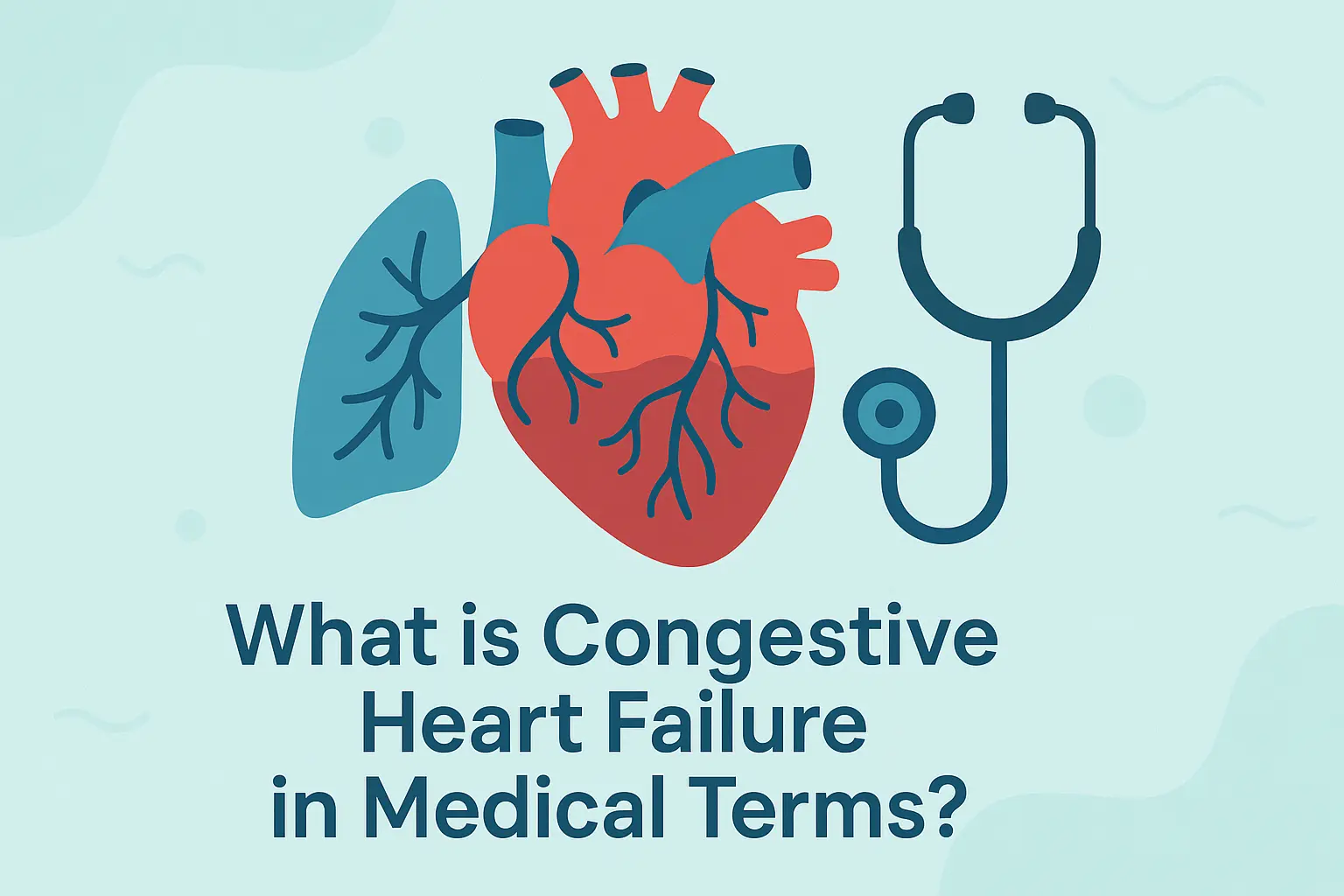
Overview of Congestive Heart Failure
CHF is not the same as dizziness or vertigo, although fatigue and light-headedness may occur due to reduced cardiac output. It is typically a progressive condition, but with early diagnosis and proper management, individuals can live productive lives.
Treatment plans are highly individualized, depending on the cause, severity, and response to therapy. Lifestyle changes, medications, and sometimes surgical interventions may be involved.
Symptoms of Congestive Heart Failure
Symptoms of congestive heart failure can range from mild to severe and may include:
- Shortness of breath, especially during physical activity or while lying down
- Fatigue and reduced exercise tolerance
- Swelling (edema) in the legs, ankles, feet, or abdomen
- Rapid or irregular heartbeat (arrhythmia)
- Persistent coughing or wheezing
- Cognitive issues such as confusion or trouble concentrating
Congestive Heart Failure: Causes and Risk Factors
CHF typically develops due to conditions that damage or weaken the heart, such as:
- Coronary artery disease (CAD)
- High blood pressure (hypertension)
- Heart valve disorders
- Cardiomyopathy (disease of the heart muscle)
- Arrhythmias, including atrial fibrillation
- Chronic lung disease (e.g., COPD)
When to See a Doctor for Congestive Heart Failure?
You should seek medical attention for CHF if you notice:
- Worsening shortness of breath, even at rest
- Unexplained swelling in the lower limbs or abdomen
- Persistent fatigue or inability to perform daily activities
- Seek emergency care immediately if symptoms include:
- Chest pain
- Fainting
- Sudden confusion or difficulty breathing
These may indicate acute decompensated heart failure or another critical cardiac event.
Related Terms
- Crohn’s Disease
- Ulcerative Colitis
- Congestive Heart Failure
- Cardiomyopathy
- Arrhythmia
FAQs – About Congestive Heart Failure
What is the difference between dizziness and vertigo?
Dizziness is a general feeling of light-headedness or unsteadiness. Vertigo involves the sensation that you or your surroundings are spinning.
What is presyncope?
Presyncope refers to feeling faint or light-headed, often preceding a blackout or fainting episode. It is not the same as dizziness or vertigo.
When should I go to the ER for congestive heart failure?
Seek emergency care if you experience chest pain, fainting, confusion, or severe shortness of breath that worsens suddenly.
Can heat and dehydration affect heart failure?
Yes. Extreme heat and dehydration—especially during fasting or long-haul travel—can strain the cardiovascular system and exacerbate CHF symptoms.
How can I reduce the risk of congestive heart failure?
Maintain a healthy lifestyle with regular exercise, a heart-healthy diet, smoking cessation, weight control, and blood pressure management.