Angina pectoris, commonly referred to as angina, is chest pain or discomfort resulting from reduced blood flow to the heart muscle. It is a symptom of an underlying cardiovascular condition, most often coronary artery disease (CAD). Angina is not a disease itself, but a clinical manifestation of myocardial ischemia.
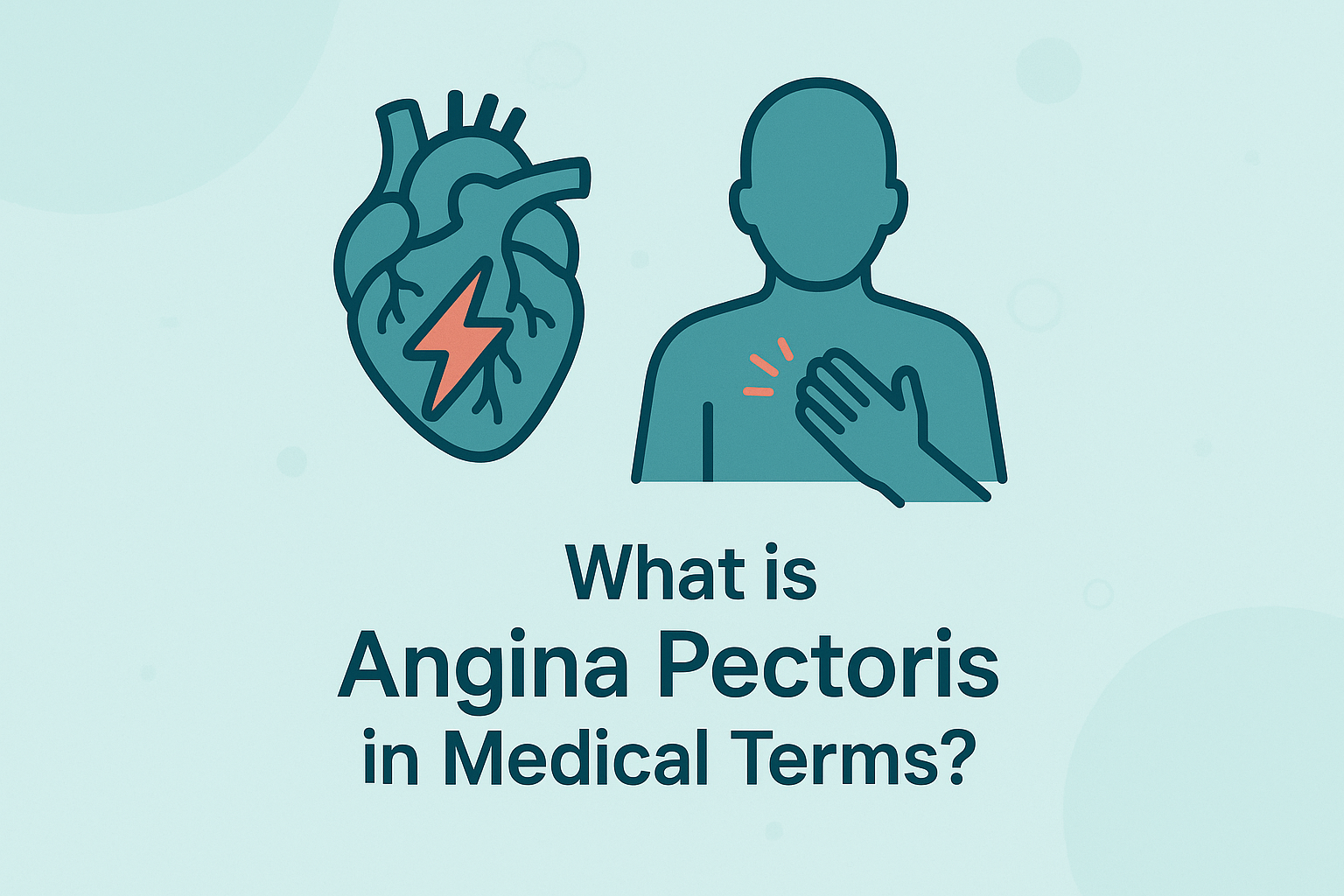
Overview of Angina Pectoris
Angina often occurs during physical exertion or emotional stress, when the heart demands more oxygen-rich blood than the narrowed arteries can supply. It is important to differentiate angina from unrelated sensations such as dizziness or vertigo, which are neurological in origin.
Although it may be alarming, angina is not always life-threatening if properly managed. Early recognition and lifestyle changes can reduce the risk of heart attack or progression to unstable angina.
Symptoms of Angina Pectoris
Symptoms of angina pectoris can include:
- Chest pain or pressure (tightness, squeezing, or burning sensation)
- Shortness of breath
- Fatigue or weakness during exertion
- Pain radiating to the arms, neck, jaw, shoulder, or back
- Nausea or upset stomach
- Light-headedness or presyncope
Symptoms typically resolve with rest or nitroglycerin, especially in stable angina.
Angina Pectoris: Causes and Risk Factors
Angina results from reduced oxygen supply to the heart due to narrowed or blocked coronary arteries. Major risk factors include:
- Coronary Artery Disease
- High Blood Pressure
- High Cholesterol
- Diabetes
- Tobacco Smoke
- Stress
When to See a Doctor for Angina Pectoris?
Seek immediate medical care if you experience:
- Sudden or severe chest pain
- Fainting, confusion, or difficulty breathing
- Pain that spreads to arms, jaw, or back
- Symptoms triggered by dehydration, heat, or exertion
These could be signs of unstable angina or acute coronary syndrome, both of which require emergency evaluation.
FAQs – About Angina Pectoris
What is the difference between dizziness and vertigo?
Dizziness refers to unsteadiness or feeling faint, while vertigo is the false sensation of spinning or motion.
What is the difference between presyncope and dizziness?
Presyncope involves a feeling of imminent fainting, often with nausea or blurred vision. Dizziness may be broader and less specific.
When should I go to the ER for angina pectoris?
If you experience severe chest pain, fainting, or confusion, go to the ER immediately. These may indicate a heart attack.
How can heat and dehydration affect angina pectoris?
High temperatures and fluid loss may increase heart workload, triggering angina symptoms—especially in hot regions like the UAE.
What are some general ways to reduce the risk of angina pectoris?
Maintain a heart-healthy lifestyle: avoid smoking, manage blood pressure and cholesterol, eat a balanced diet, and exercise regularly.
Related Terms
- Ulcerative Colitis
- Gallstones
- Angina Pectoris
- Heart Attack
- Nitroglycerin