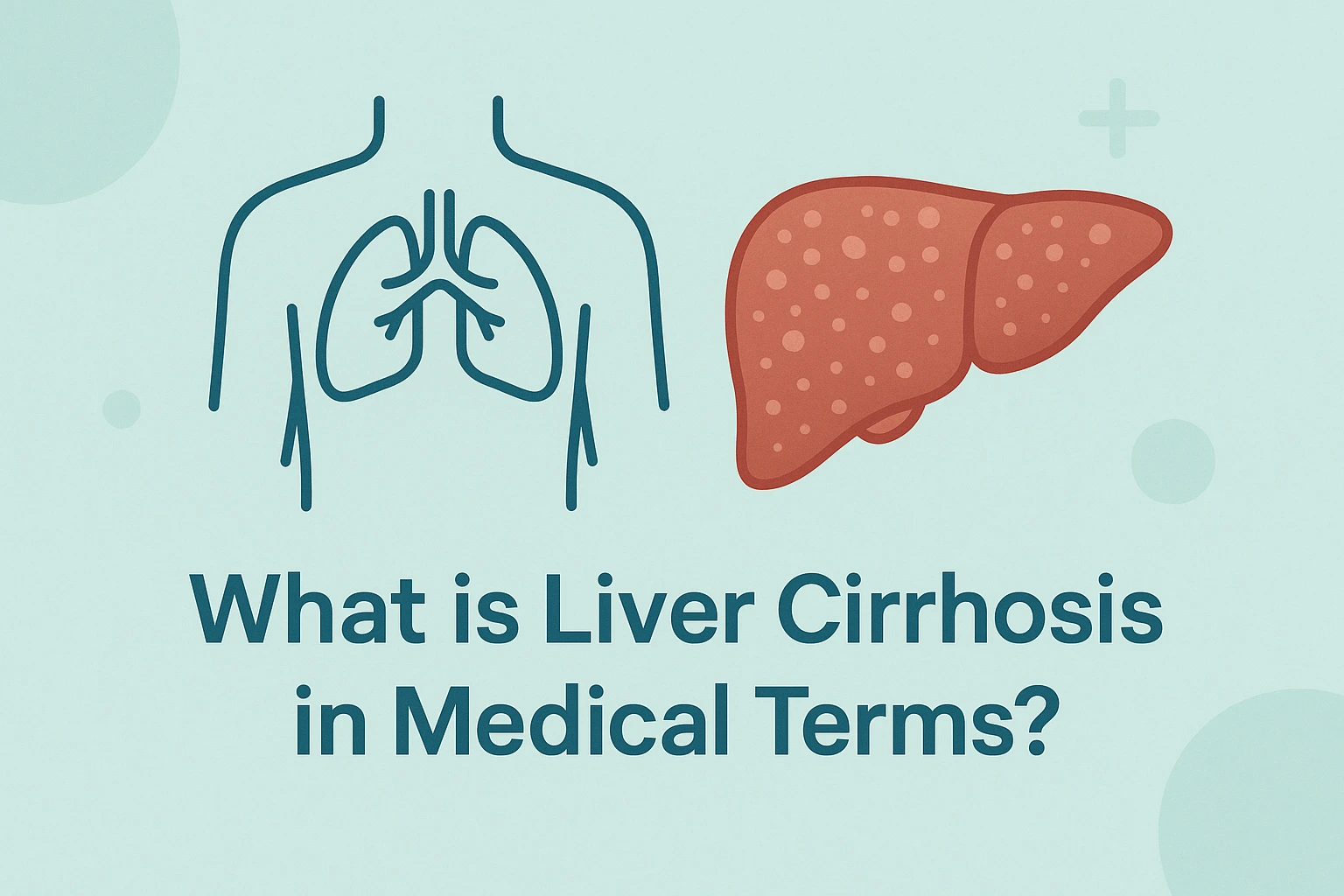
Liver cirrhosis is a chronic liver disease characterized by the progressive scarring of the liver tissue. This scarring occurs as a result of long-term liver damage, which can be caused by conditions such as chronic alcohol consumption, hepatitis infections, or non-alcoholic fatty liver disease (NAFLD). As the liver becomes increasingly scarred, its ability to function properly diminishes, leading to impaired liver function and a range of serious complications.
If you experience symptoms like fatigue, swelling, yellowing of the skin, or unexplained weight loss, it’s important to seek medical attention for evaluation. Early diagnosis and treatment can help manage the disease, prevent complications, and improve quality of life.
Symptoms of Liver Cirrhosis
In the early stages, cirrhosis may not cause noticeable symptoms. However, as the disease progresses, the following symptoms may develop:
- Fatigue and weakness
- Loss of appetite and unexplained weight loss
- Nausea and vomiting
- Abdominal pain, especially in the upper right side of the abdomen
- Swelling in the legs and abdomen (ascites) due to fluid buildup
- Jaundice, or yellowing of the skin and eyes
- Itchy skin (pruritus)
- Easy bruising or bleeding due to reduced clotting factors
- Mental confusion or hepatic encephalopathy caused by the liver’s inability to filter toxins from the bloodstream
Causes of Liver Cirrhosis
The most common causes of cirrhosis include:
- Chronic alcohol abuse: Excessive alcohol consumption over time can damage liver cells and lead to cirrhosis.
- Chronic viral infections: Hepatitis B and Hepatitis C infections are leading causes of cirrhosis due to long-term inflammation and liver cell damage.
- Non-alcoholic fatty liver disease (NAFLD): A condition often linked to obesity, diabetes, and high cholesterol, where fat accumulates in the liver and causes inflammation, leading to cirrhosis.
- Autoimmune liver diseases: Conditions such as autoimmune hepatitis, where the immune system attacks the liver, can result in cirrhosis.
- Genetic conditions: Hemochromatosis (excessive iron buildup in the liver) and Wilson’s disease (excessive copper buildup) are genetic disorders that can lead to cirrhosis.
- Bile duct diseases: Conditions like primary biliary cirrhosis or primary sclerosing cholangitis, which affect the bile ducts, can lead to cirrhosis.
When to See a Doctor Liver Cirrhosis?
Seek medical advice for liver cirrhosis if you experience severe symptoms. Symptoms include persistent fatigue, confusion, or jaundice. Emergency care is necessary for fainting, chest pain, or significant abdominal swelling.
Related Terms of Liver Cirrhosis
FAQs for Liver Cirrhosis
When should I go to the ER for liver cirrhosis?
If you experience fainting, chest pain, or confusion, seek emergency care immediately.
How can heat and dehydration affect liver health?
In hot climates like the UAE, dehydration can strain the liver; staying hydrated is essential, especially during fasting or long-haul travel.
What are some ways to reduce the risk of liver cirrhosis?
Maintaining a healthy lifestyle, including a balanced diet and avoiding excessive alcohol, can help reduce risk.