Guillain-Barre syndrome is a rare autoimmune neurological disorder that affects the peripheral nervous system. In this condition, the immune system mistakenly attacks peripheral nerves, leading to inflammation and impaired nerve signaling.
Guillain-Barré syndrome (GBS) often develops after a viral or bacterial infection. Symptoms typically begin with weakness or tingling in the legs and may progress upward (ascending paralysis). Although most people recover with proper medical care, severe cases can affect breathing and require hospitalization. Early recognition is critical because symptoms can worsen rapidly.
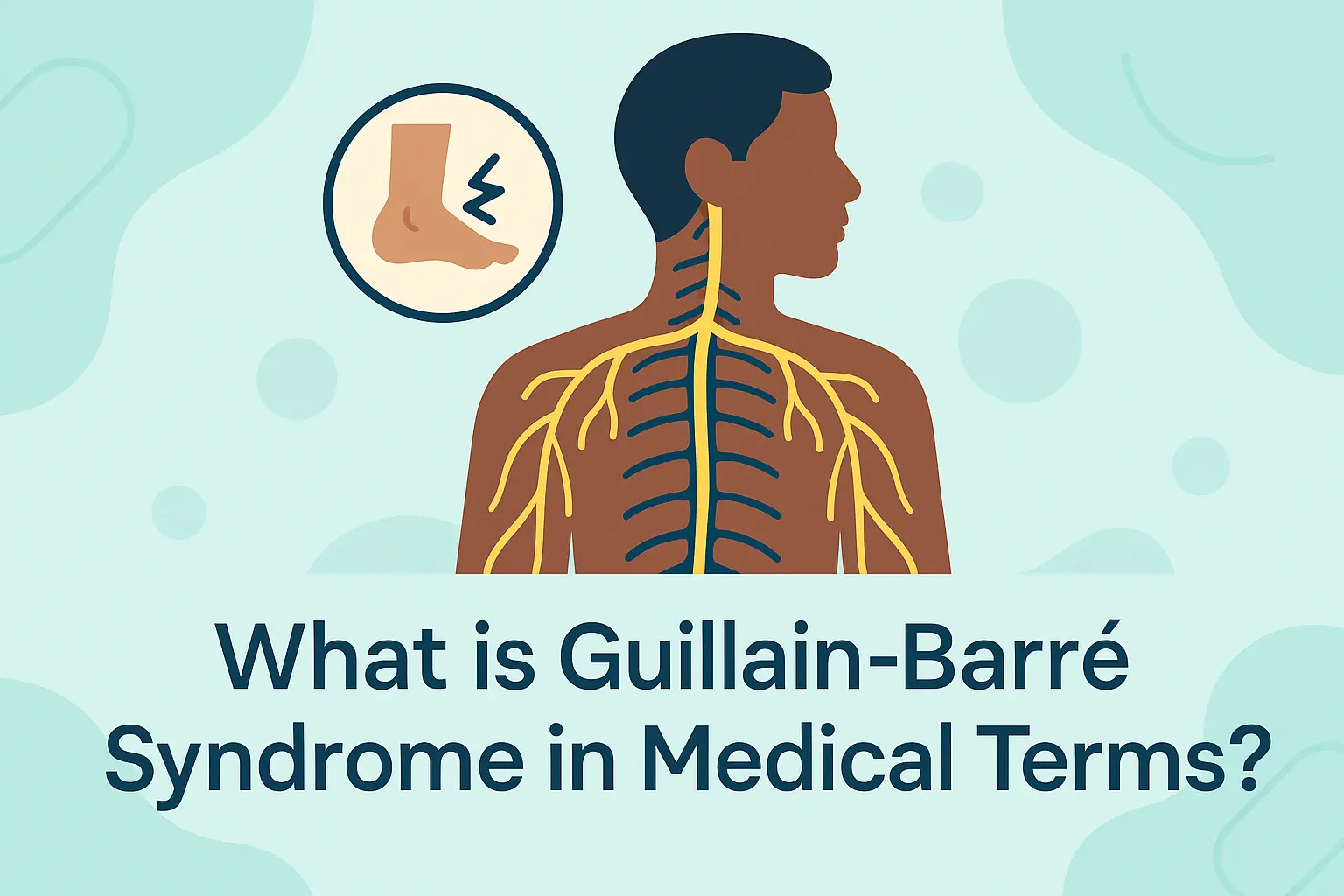
Symptoms of Guillain-Barré Syndrome
Symptoms often begin suddenly and may progress over days to weeks.
Common symptoms include:
- Weakness in the legs that spreads to the arms
- Numbness or tingling sensations (paresthesia)
- Difficulty walking or climbing stairs
- Loss of reflexes
- Fatigue
- Muscle pain
- Facial weakness
- Difficulty swallowing or speaking
In severe cases, breathing muscles may become weak.
Guillain-Barré Syndrome: Causes and Risk Factors
Guillain-Barré syndrome is believed to result from an abnormal immune response that damages the protective covering (myelin) of peripheral nerves.
Common triggers and risk factors include:
- Recent viral infections (e.g., influenza, COVID-19)
- Bacterial infections (e.g., Campylobacter)
- Recent surgery (rarely)
- Vaccinations (very rare association)
- Autoimmune susceptibility
Environmental factors such as heat or travel are not direct causes but may worsen fatigue in affected individuals.
When to See a Doctor for Guillain-Barré Syndrome?
Seek immediate medical attention if you experience:
- Sudden or rapidly worsening weakness
- Difficulty breathing
- Trouble swallowing
- Loss of balance
Emergency care is required for:
- Severe breathing difficulty
- Chest pain
- Fainting
- Confusion
Because GBS can progress quickly, early hospitalization improves outcomes and reduces complications.
Related Terms
- Peripheral Neuropathy
- Multiple Sclerosis
- Autoimmune Disease
- Acute Paralysis
FAQs – About Guillain-Barré Syndrome
When should I go to the ER for Guillain-Barré syndrome?
Seek emergency care if you have severe weakness, trouble breathing, difficulty swallowing, or confusion.
How can heat and dehydration affect Guillain-Barré syndrome?
Dehydration may worsen fatigue and muscle weakness. Staying hydrated is important, especially in hot climates.
What are some ways to reduce the risk of Guillain-Barré syndrome?
Preventing infections through good hygiene and timely medical care may reduce the risk of immune-triggered nerve damage.