Trigeminal neuralgia is a chronic neurological condition that causes sudden, severe facial pain. The pain is often described as electric shock–like, stabbing, or shooting and typically affects one side of the face. It involves irritation or compression of the trigeminal nerve (cranial nerve V), which carries sensation from the face to the brain.
Episodes can occur spontaneously or be triggered by everyday activities such as speaking, chewing, brushing teeth, or even light touch. While trigeminal neuralgia is rarely life-threatening, it can significantly disrupt daily life and emotional well-being due to the intensity of pain.
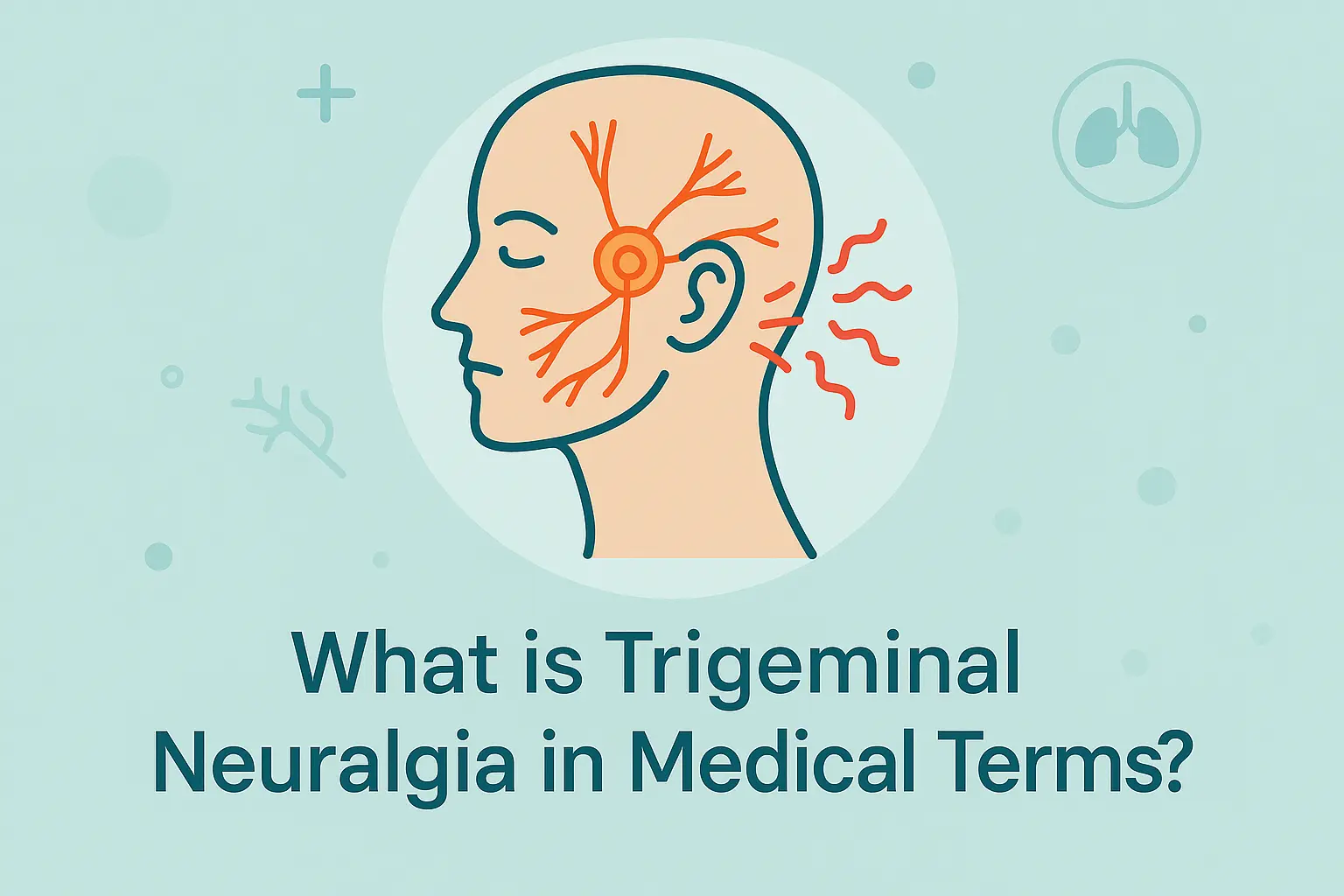
Symptoms of Trigeminal Neuralgia
Symptoms are usually abrupt and intense.
Common features include:
- Sharp, stabbing facial pain
- Electric shock–like sensations
- Pain triggered by touch, chewing, or speaking
- Episodes lasting seconds to minutes
- Recurrent attacks over days or weeks
- Facial spasms or twitching
- Discomfort in the jaw or teeth
Pain most often affects the lower face and jaw but may involve the cheek or forehead.
Trigeminal Neuralgia: Causes and Risk Factors
Trigeminal neuralgia often results from compression of the trigeminal nerve, leading to abnormal nerve signaling.
Common causes and risk factors include:
- Blood vessel compression of the trigeminal nerve
- Multiple sclerosis (due to nerve demyelination)
- Facial trauma or injury
- Age-related nerve changes
- Rare tumors affecting the nerve
- Genetic susceptibility
In many cases, a looping artery or vein presses against the nerve root, causing irritation.
When to See a Doctor for Trigeminal Neuralgia?
Seek medical evaluation if you experience:
- Sudden, severe facial pain
- Recurrent facial pain episodes
- Pain triggered by mild stimulation
Emergency care is required if pain occurs alongside:
- Chest pain
- Fainting
- Severe confusion
- Sudden neurological changes
Because trigeminal neuralgia symptoms can mimic dental problems or other neurological conditions, proper diagnosis is essential.
Related Terms
- Trigeminal Nerve
- Multiple Sclerosis
- Neuropathic Pain
- Bell’s Palsy
FAQs – About Trigeminal Neuralgia
When should I go to the ER for trigeminal neuralgia?
Seek emergency care if severe facial pain occurs with fainting, chest pain, confusion, or sudden neurological symptoms.
How can heat and dehydration affect trigeminal neuralgia?
Dehydration may increase overall nerve sensitivity and fatigue. Staying hydrated is important, especially in hot climates or during fasting.
What are some ways to reduce the risk of trigeminal neuralgia?
Managing stress, treating underlying neurological conditions, and avoiding known triggers may help reduce episodes.