Bell’s palsy is a neurological condition that causes sudden, temporary weakness or paralysis of one side of the face. It occurs when the facial nerve (cranial nerve VII) becomes inflamed or compressed, disrupting signals to facial muscles.
Symptoms typically develop rapidly — often within hours — and can be alarming. Although Bell’s palsy can be distressing, it is usually not life-threatening. Most people recover fully within weeks to months, especially with early treatment. It is different from conditions like stroke or vertigo, though sudden facial weakness always requires urgent medical evaluation to rule out serious causes.
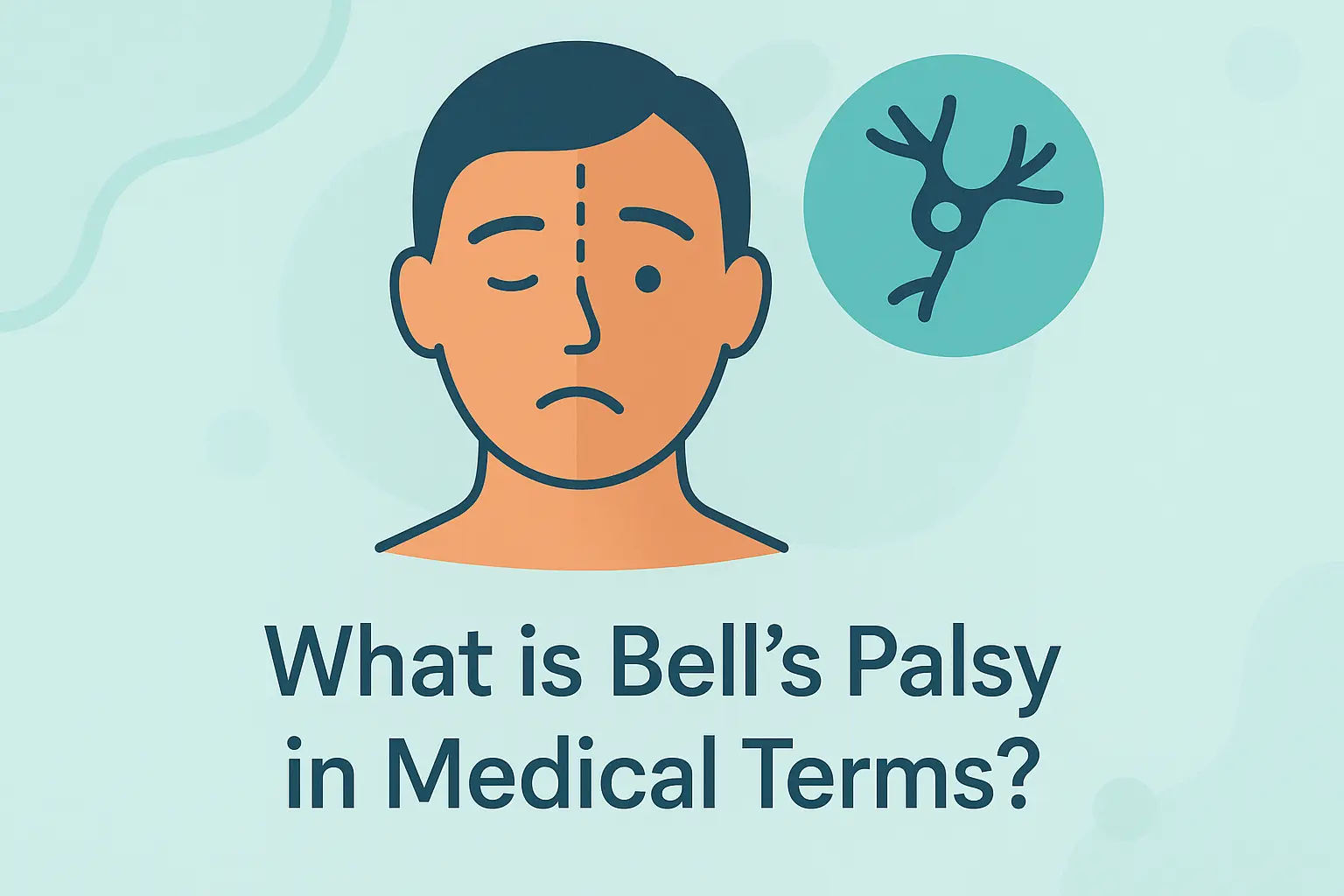
Symptoms of Bell’s Palsy
Symptoms usually affect only one side of the face and appear suddenly.
Common symptoms include:
- Sudden weakness or drooping on one side of the face
- Difficulty closing one eye
- Drooling
- Loss of taste on the front two-thirds of the tongue
- Increased sensitivity to sound in one ear (hyperacusis)
- Pain or discomfort around the jaw or behind the ear
- Dry eye or excessive tearing
In most cases, symptoms peak within 48 hours.
Bell’s Palsy: Causes and Risk Factors
The exact cause of Bell’s palsy is not always clear, but it is commonly linked to viral infections that trigger inflammation of the facial nerve.
Common contributing factors include:
- Viral infections (especially herpes simplex virus)
- Inflammation of the facial nerve
- Reduced blood flow to the nerve
- Stress or fatigue
- Exposure to cold environments
Risk may be slightly higher in individuals with diabetes, pregnancy, or recent upper respiratory infections.
When to See a Doctor for Bell’s Palsy?
Seek immediate medical evaluation if you experience:
- Sudden facial weakness or drooping
- Difficulty speaking or swallowing
- Severe headache
These symptoms may resemble a stroke, which requires urgent care.
Emergency care is required if symptoms include:
- Chest pain
- Fainting
- Severe confusion
- Sudden neurological changes
Early treatment — often with corticosteroids — improves recovery outcomes.
Related Terms
- Facial Nerve
- Stroke
- Herpes Simplex Virus
- Trigeminal Neuralgia
FAQs – About Bell’s Palsy
What is Bell’s palsy in simple terms?
Bell’s palsy is sudden weakness or temporary paralysis of one side of the face caused by inflammation of the facial nerve.
When should I go to the ER for Bell’s palsy?
Go to the ER if facial weakness occurs with chest pain, confusion, fainting, or symptoms suggesting a stroke.
Can heat and dehydration affect Bell’s palsy?
Extreme heat and dehydration may worsen fatigue and general discomfort, so maintaining hydration is important.
How can I reduce my risk of Bell’s palsy?
Managing stress, treating viral infections promptly, and maintaining overall health may help reduce risk.