Endocarditis is an infection of the inner lining of the heart, known as the endocardium. It typically involves the heart valves and is most often caused by bacteria entering the bloodstream, though fungi and other pathogens can also be responsible. Without treatment, endocarditis can damage the heart and become life-threatening, but early diagnosis significantly improves outcomes.
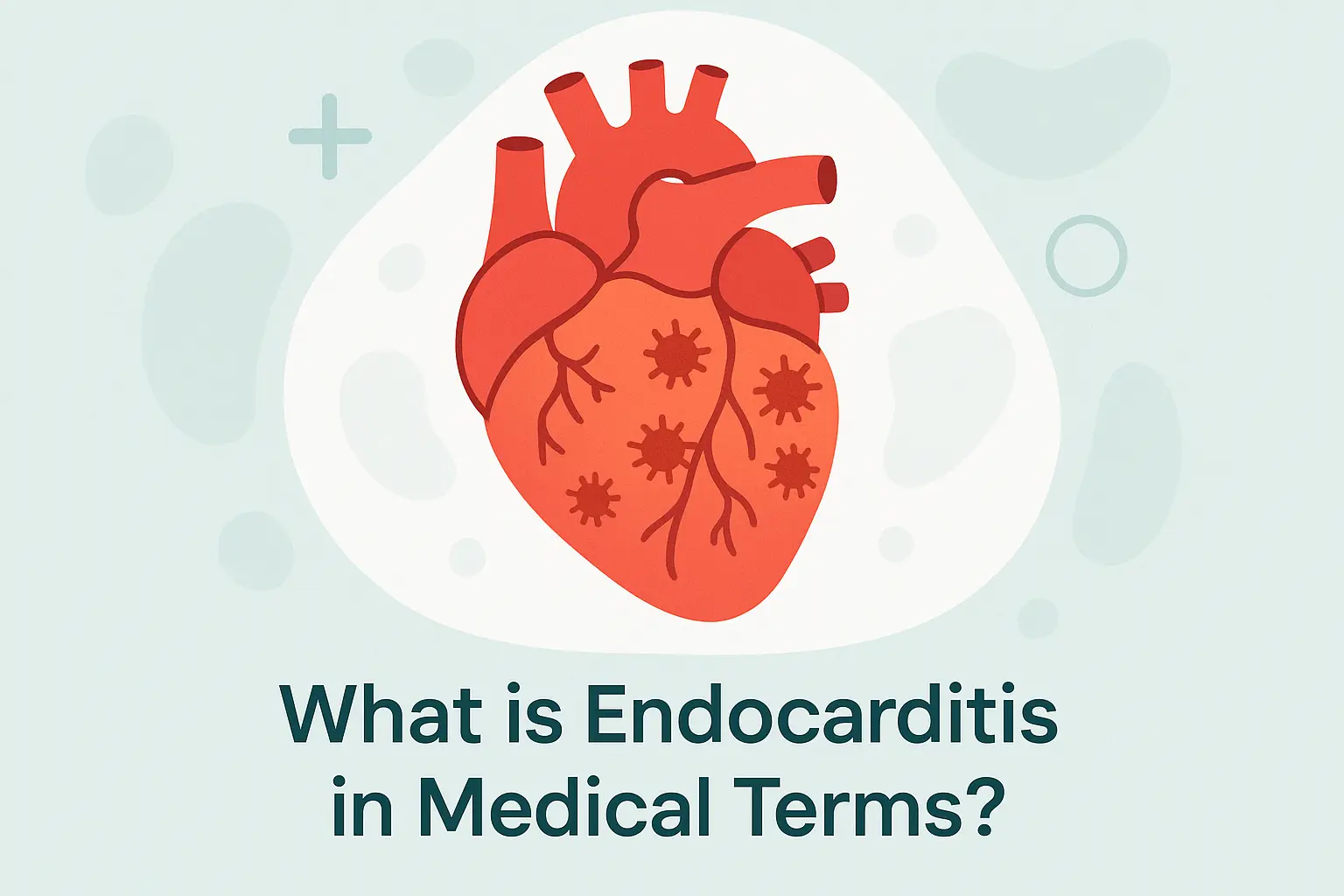
Overview of Endocarditis
Though rare, endocarditis is a serious condition that can lead to severe complications if not identified and treated promptly. It may sometimes be mistaken for generalized dizziness, but it is unrelated to vertigo, which involves a spinning sensation.
Risk factors often include structural heart issues or activities that introduce bacteria into the bloodstream, such as dental procedures or intravenous drug use. Proper hygiene and proactive care can help mitigate risk.
Symptoms of Endocarditis
Symptoms of endocarditis vary by severity but commonly include:
- Fever and chills
- Fatigue or unusual weakness
- Shortness of breath, especially during exertion
- Swelling in the legs, feet, or abdomen
- Unexplained weight loss
- Skin rashes or tiny red spots on skin or under fingernails
- Persistent flu-like symptoms
Endocarditis: Causes and Risk Factors
Endocarditis often develops when bacteria or fungi enter the bloodstream and attach to damaged areas of the heart. Common causes include:
- Congenital Heart Defect
- Intravenous Drug Use
- Dental Procedures
- Indwelling Catheter
- Weakened Immune System
Artificial heart valves or prior history of endocarditis also significantly increase the risk.
When to See a Doctor for Endocarditis?
You should consult a healthcare provider if you experience:
- Persistent fever, fatigue, or flu-like symptoms
- Shortness of breath or swelling without an obvious cause
- Chest pain, confusion, or fainting — these require emergency care
- Prompt diagnosis can help prevent permanent valve damage, stroke, or systemic infection.
FAQs – About Endocarditis
When should I go to the ER for endocarditis?
Seek urgent care if you experience chest pain, fainting, or confusion, especially with fever and known heart issues.
How does heat affect endocarditis risk?
Dehydration in hot climates like the UAE can weaken immunity and increase infection risk, especially during fasting or travel.
What can I do to reduce my risk of endocarditis?
Practice good oral hygiene, manage chronic conditions, and avoid unsterile injections. Antibiotics may be recommended before dental work if you’re high-risk.
Related Terms
- Ulcerative Colitis
- Gallstones
- Endocarditis
- Dental Procedures
- Catheter